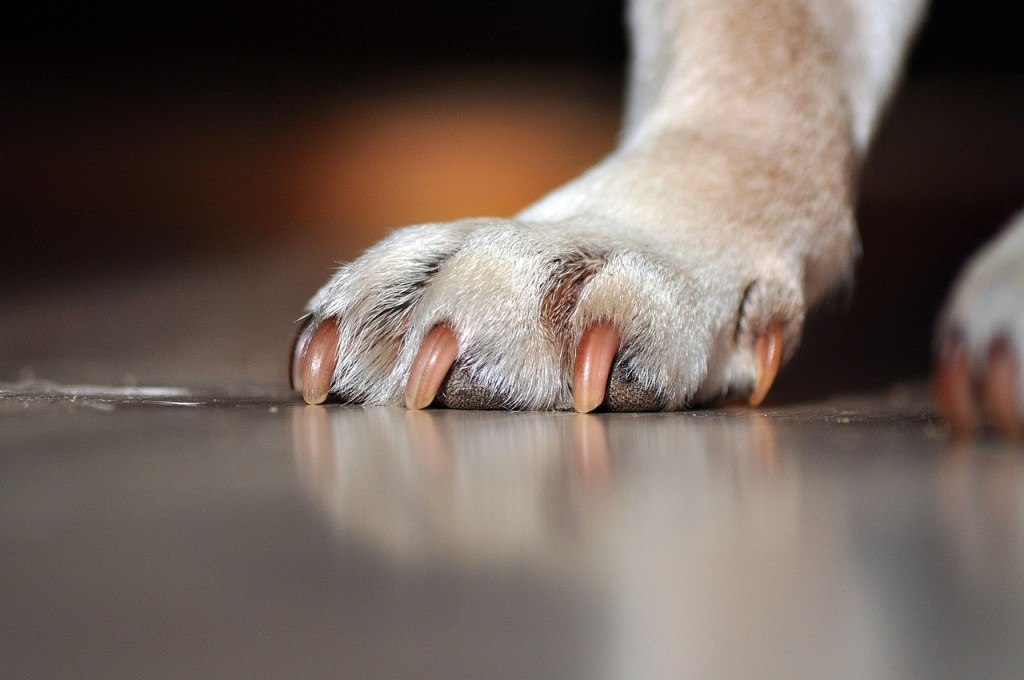
Paw shoes for dogs aren’t a fashion accessory – they can provide real protection, for example from road salt, heat, ice, sharp surfaces, or after injuries. Still, many dogs are skeptical at first. That’s completely normal. With patience, good timing, and a clear approach, you can gently help your dog get used to wearing paw shoes. Here’s how to make it as easy as possible.
Why Paw Shoes Can Be Useful
Dogs explore their world through their paws, yet these are more sensitive than many people realize. Especially in winter or on hot asphalt, extra protection can make sense. One thing is crucial, though: your dog needs to feel safe and comfortable in the shoes. Otherwise, they will mainly cause stress for both of you. In some situations, however, paw shoes can be indispensable.
Before you start training, make sure the shoes fit well, are breathable, and don’t rub. A little preparation helps both of you:
- correct size (not too tight, not too loose)
- non-slip sole and soft material
- trimmed nails and clean paws
This lays the foundation for successful acclimation.
Step 1: Make Paw Shoes “Normal”
Before your dog even puts the shoes on, let them get to know them. Place the shoes around the house, let your dog sniff them, and reward calm interest. The shoes shouldn’t feel special or threatening, just part of everyday life. The more relaxed you are, the more relaxed your dog will be.
Step 2: Slowly Introduce the Paws
Many dogs don’t like having their paws held for long – and that’s understandable, since paws are sensitive. Start practicing without the shoes: briefly touch the paws, hold them gently, and reward immediately. Only when this works smoothly should you try putting on one shoe, just for a few seconds. Then take it off again, praise your dog, and you’re done. Less is definitely more here.
Taking many small steps toward the goal will get you further than overwhelming your dog once and creating a negative association with the shoes.
Step 3: Movement in Small Doses
As soon as your dog accepts one or two shoes, add a bit of movement. Let them take a few steps, ideally indoors on familiar ground. The unusual “stilted” walking or lifting of the paws is completely normal. Don’t laugh, don’t constantly correct – just give your dog time to develop a new body awareness and get used to the paw shoes.
Step 4: Build a Positive Association
Paw shoes should signal something good to your dog. For example, put them on shortly before a walk your dog really loves. This way, the shoes become linked to something positive. It’s important not to use them only before unpleasant situations, such as a vet visit.
Step 5: Gradually Increase Duration and Environment
Only once your dog can move confidently in all the shoes should you extend the wearing time. Start with short outdoor walks and carefully check whether anything slips or rubs. Every dog has their own pace. Some accept paw shoes after just a few days, while others need several weeks.
Common Mistakes to Avoid
Impatience is the biggest stumbling block. If you put the shoes on for too long or too early, your dog may have a negative experience. Poorly fitting shoes also quickly lead to rejection. Always pay attention to body language, gait, and subtle signs of stress.
Also check your dog’s paws afterward.
Getting Your Dog Used to Paw Shoes: Calm Leads to Success
Getting a dog used to paw shoes isn’t magic – but it is a process. If you proceed step by step, use positive reinforcement, and take your dog’s needs seriously, the chances are very good that your dog will accept the shoes and perhaps even wear them naturally.
This can be invaluable for protection, existing injuries, or in old age.
 PunkRockPudel
Hinterlasse einen Kommentar