Snow gastritis affects many dogs and owners every year – often without being recognized as such. When your dog happily eats snow in winter, it often seems harmless or even cute. However, this behavior can lead to a serious problem: snow gastritis. This is an inflammation of the stomach lining caused by eating snow. In this article, you’ll learn how to recognize snow gastritis, what you can do to prevent it, and how it is treated.
What Is Snow Gastritis?
Snow gastritis describes an irritation or inflammation of your dog’s stomach lining caused by cold snow. The stomach reacts sensitively to the sudden cold. In addition, harmful substances in the snow—such as road salt, sand, or environmental toxins – can further irritate the stomach lining. Dogs that eat large amounts of snow or do so over a longer period of time are particularly at risk.
Symptoms: How to Recognize Snow Gastritis in Dogs
The signs often appear quite suddenly, sometimes just a few hours after a walk in the snow. Typical symptoms include:
- Vomiting, often with foam or yellowish fluid
- Loss of appetite and abdominal pain
- Lethargy or restlessness
If your dog also has diarrhea, shows severe abdominal cramping, or if the vomiting persists, you should not wait and should consult a veterinarian immediately.
Treatment: What to Do If Your Dog Is Affected
In mild cases, it may be sufficient to give your dog’s stomach a rest. This usually means a short fasting period followed by easily digestible bland food. It is important that your dog drinks enough – however, only room-temperature water or mild tea.
If symptoms last longer than a day or worsen, a visit to the veterinarian is absolutely necessary. There, stomach-protecting medications, pain relievers, or infusions can be administered if needed. Never give your dog medications intended for humans, as these can be life-threatening.
Prevention: How to Protect Your Dog in Winter
Ideally, snow gastritis should be prevented altogether. With a few simple measures, you can do a lot:
- During walks, make sure your dog eats little or no snow
- Feed your dog before longer winter walks so hunger doesn’t drive them to eat snow
- Avoid heavily salted paths and areas
Young dogs in particular, or those who find snow especially exciting, need your close attention.
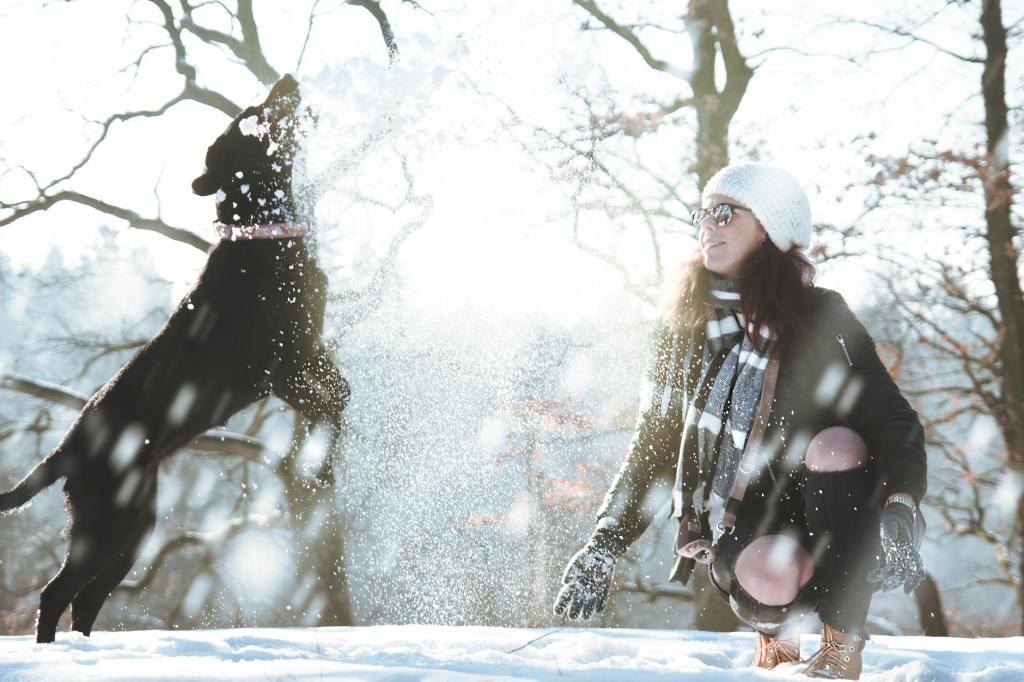
Even with full attention, however, dogs and snow are a combination that can quickly “escalate.” Many dogs love to romp, run, and play in the cold white stuff, sniffing and digging through it. It is therefore almost unavoidable that your dog will ingest a mouthful of snow now and then. Important and practical preventive measures include:
- Allow off-leash time and play only in areas with clean snow
- Practice recall with high-value treats so you can immediately stop your dog from eating snow if necessary
- Use a muzzle with an anti-scavenging guard
A good alternative is to distract your dog with games and toys in the snow before they start seeing snow and ice as an all-you-can-eat buffet.
Snow Gastritis and Stomach Care for Dogs
Just like people, some dogs have sensitive stomachs and vomit easily, while others can steal a piece of rancid butter from the trash, swallow it in two seconds, and not even burp afterward (tested for you).
If your dog has gulped down snow on your last walk and has a sensitive stomach, you should act right away. Offer mild fennel–anise–caraway tea, chamomile tea, or peppermint tea. You can also serve light bland food such as rice with carrots and chicken, and add some Moro’s carrot soup.
The idea behind this:
Lukewarm water, tea, and light bland food warm the stomach, dilute irritating substances ingested with the snow, and help them be eliminated more quickly. This can help prevent snow gastritis or at least reduce its severity.
Snow Gastritis in Dogs
Snow gastritis is not a rare winter problem and should not be underestimated. If you know the symptoms and react promptly, your dog can be helped quickly. Even better is prevention through attentive behavior and simple precautionary measures – so winter remains carefree and healthy for both of you.
 PunkRockPudel
Hinterlasse einen Kommentar