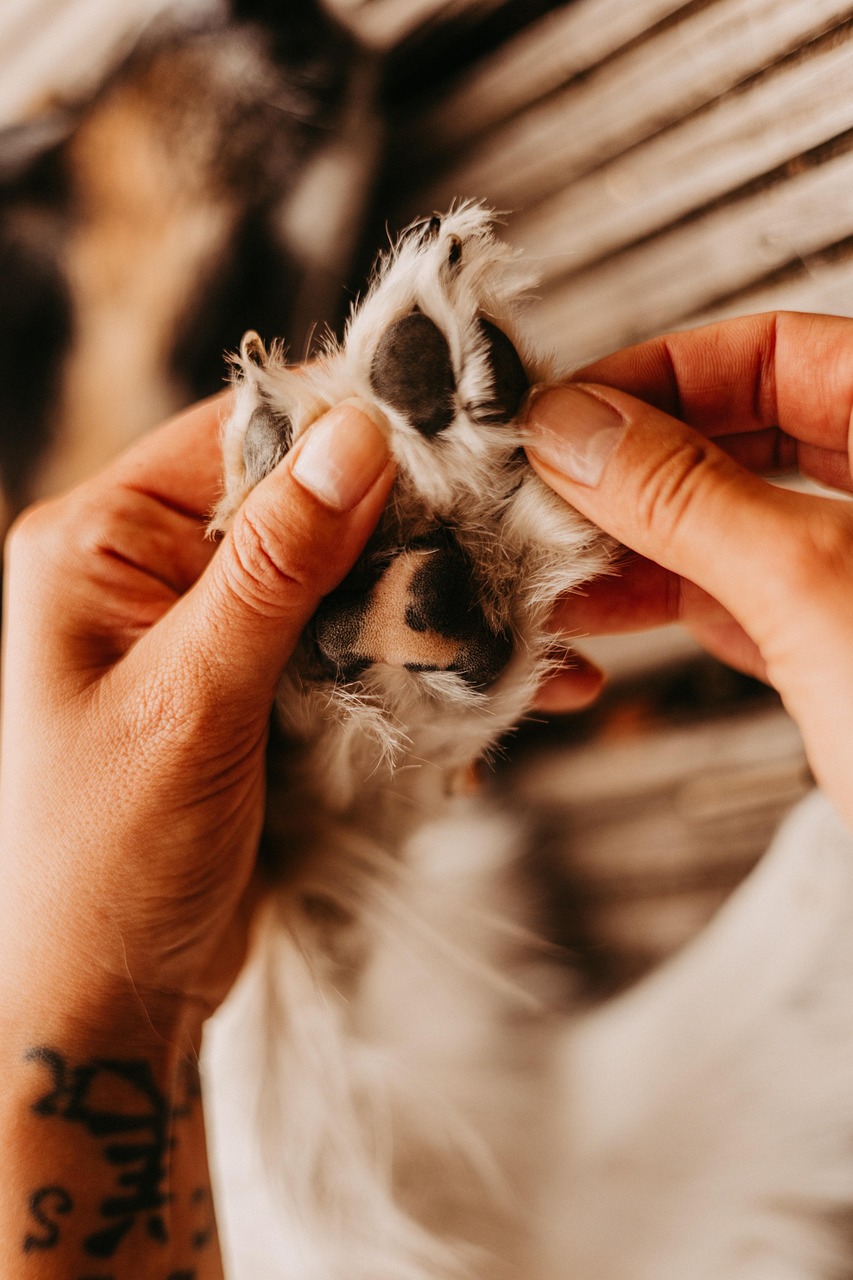
Paw shoes or dog boots come in countless designs, colors, and patterns. Some look cute and funny and seem more like decorative accessories than functional gear. Maybe you’ve asked yourself whether this is all a bit over the top. After all, your dog has paws- so why would they need shoes? The truth is, there are quite a few situations in which paw shoes or protective dog boots are not only useful but can be genuinely important for your dog’s health. You’ll find out which ones here.
Are Paw Shoes Really Necessary?
Yes, yes, I can already hear the seemingly killer argument: Wolves don’t wear paw shoes either!
That is absolutely true. But wolves rarely walk on sidewalks treated with de-icing salt in winter. In their natural habitat, they don’t have to deal with broken glass, metal splinters, or man-made gravel. Chewing gum stuck between their pads? Nope!
You also won’t catch a wolf in its right mind walking across scorching asphalt in the midday heat of high summer.
Our domestic dogs, on the other hand? They often don’t have a choice and are exposed to very different influences. These include chemicals that accumulate on streets and sidewalks, especially in cities- and that become a real problem at the latest when your dog licks its paws clean.
So, the answer to the question “Are paw shoes really necessary?” is quite simple: yes, they absolutely can be. And sometimes they’re simply practical and the lesser evil.
Dog Paws Are Tough – but Not Invincible
Dog paws can handle a lot in everyday life, but they do have their limits. Heat, cold, sharp surfaces, or road salt can put serious strain on the paw pads. Paw shoes act like a protective shield, helping to prevent pain, inflammation, and injuries- and making walks safer for both you and your dog.
Protection from Heat, Cold, and Road Salt
One of the most common reasons for paw shoes is protection from extreme temperatures. In summer, asphalt can get so hot that it causes painful burns within seconds. In winter, ice, snow, and road salt attack the skin and can lead to cracks or sore spots. With paw shoes, your dog can stay comfortable even under challenging conditions.
Support for Injuries and the Healing Process
Paw shoes are also a great help when your dog has an injury or is recovering from surgery. They protect wounds from dirt, moisture, and bacteria and prevent your dog from constantly licking them. This supports healing and can help prevent complications.
More Good Reasons for Paw Shoes
In addition to extreme temperatures and injuries, there are other situations where paw shoes make sense:
- Protection from sharp surfaces such as gravel, shells, or broken glass at the dog beach
- Better traction and safety on slippery surfaces like ice or smooth tiles
- Relief for older dogs with sensitive or thinning paw pads
- Protection from dirt
Especially Helpful for Sensitive Dogs
Sensitive dogs, in particular, benefit from extra paw protection. Some react to pollen, chemicals, or cleaning agents on sidewalks. Paw shoes prevent direct contact and can reduce skin irritation or allergic reactions.
Paw Shoes Make Life Easier for You as a Dog Owner
Do your dog’s paws turn into muddy sponges whenever it rains?
Does one walk along a dirt path mean you spend more time after the walk picking burrs and grass awns out from between your dog’s pads than actually walking?
Does your neighbor generously use weed killer on the sidewalk?
And as soon as it snows, does your dog come home with tightly packed ice balls stuck to its paws?
Dog owners of long-haired breeds and multi-dog households know this problem especially well: cleaning paws after a walk can take more time than the walk itself. And then there’s the floor you still have to mop afterward.
By contrast, it’s simple: put on the paw shoes before the walk, take them off afterward – done. Make your life easier by using paw shoes whenever you need them.
Paw Shoes as a Real Added Value
Paw shoes are not a fashion accessory – or at least they shouldn’t be – but they can make a meaningful contribution to your dog’s well-being. If they fit well and your dog is gently accustomed to them, most dogs accept them quickly – especially once they realize that walking becomes more comfortable and pain-free.
 PunkRockPudel
Hinterlasse einen Kommentar