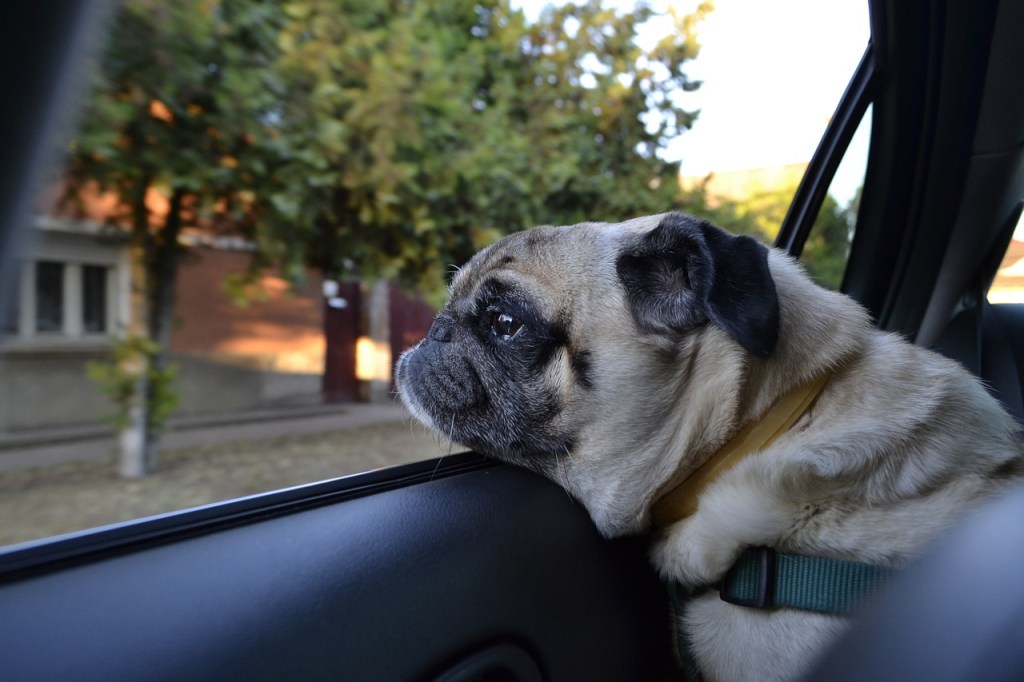
For many dog owners, driving with their four-legged companion is part of everyday life—whether it’s a trip to the vet, an outing to the forest, or a vacation. But not every dog jumps enthusiastically into the car. Some react with uncertainty or fear, while others are restless during the ride. To make car journeys stress-free and safe for both you and your dog, there are some important points to keep in mind.
- Why Safety in the Car with a Dog Is So Important
- How to Properly Secure Your Dog in the Car
- Getting Your Dog Used to Car Rides – How to Do It
- What to Do in Case of Severe Anxiety or Nausea
- Safety and Habituation Are Key
Why Safety in the Car with a Dog Is So Important
In the event of a sudden stop or accident, an unsecured dog can become a serious danger—to themselves and all passengers. According to traffic regulations, a dog is legally considered „cargo“ and must be secured accordingly. Otherwise, fines and penalty points may apply. More importantly, you risk severe injury to your dog if they travel unrestrained. Plenty of good reasons to prioritize safety.
How to Properly Secure Your Dog in the Car
There are several ways to secure your dog while driving:
- Transport crate: A sturdy crate is especially suitable for small to medium-sized dogs. It should be placed sideways to the direction of travel on the floor of the trunk or behind the front passenger seat. It offers the best protection in the event of an accident and provides your dog with extra security.
- Dog seat belt: For larger dogs riding in the back seat, there are special harnesses that can be attached to the seat belt. Be sure to use a certified product, as regular harnesses may tear during an accident.
- Trunk with partition grille: In station wagons or SUVs, your dog can ride in the trunk if a solid partition grille is installed. Your dog should have enough space to lie comfortably and change position but shouldn’t be able to move around unsecured.
Getting Your Dog Used to Car Rides – How to Do It
Puppies or rescue dogs in particular often don’t like car rides at first. Gentle training can help:
- Start slowly: Let your dog get into the stationary car first. Reward them with treats so they associate the space positively.
- Short drives: Begin with drives of just a few minutes and gradually increase the duration. This helps your dog get used to the motion and sounds.
- Calm environment: Speak calmly to your dog and avoid abrupt braking or strong acceleration.
- No feeding before driving: Dogs prone to motion sickness shouldn’t eat for at least two hours before the ride. However, an empty stomach can also cause or worsen nausea, so don’t let your dog go completely hungry either.
What to Do in Case of Severe Anxiety or Nausea
If your dog continues to experience anxiety or vomiting despite training, your vet can prescribe medication for motion sickness. Calming music or a well-ventilated car can also help. In more severe cases, a dog trainer may be able to help reduce anxiety in the long term.
Safety and Habituation Are Key
Driving with your dog doesn’t have to be stressful or dangerous. With proper safety measures and gentle acclimatization, there’s nothing standing in the way of outings, visits with friends, or long vacations—and your dog will soon associate the car with positive experiences.
 PunkRockPudel
Hinterlasse einen Kommentar