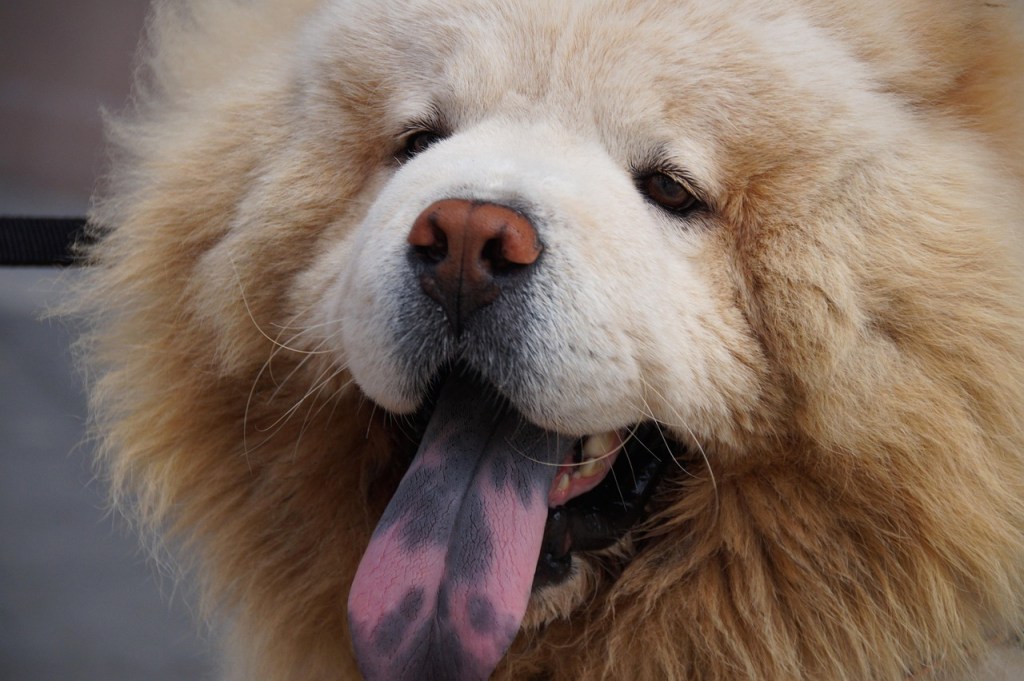
Every year, people look forward to summer. Until it’s finally here – and way too hot. As annoying as sweating while sitting around may be for us, dogs often suffer far more due to their natural fur coats. It’s no surprise that uncertainty and incorrect assumptions are common among dog owners. The following questions and answers about dogs in summer provide clarity.
- Protecting Dogs in Summer
- Can I leave my dog in the car during summer?
- When is it too hot for a dog?
- What can I do with my dog in summer?
- How much heat can a dog tolerate?
- What should you do with dogs in extreme heat?
- How can I tell if my dog is too hot?
- Should I walk my dog when it’s 30°C (86°F)?
- How can I cool down my dog quickly?
- Heatstroke in dogs – what to do?
- Protect Your Pup During Summer!
Protecting Dogs in Summer
Each year, as soon as summer weather begins, a surprising number of dog owners suddenly become visible – as if they were hibernating the rest of the year. They bring their dogs everywhere, even to the supermarket, think nothing of leaving them in the car, let them walk on scorching surfaces, and fail to recognize when the heat becomes too much – sometimes with dangerous or even fatal consequences for the family pet.
Do better – and offer your dog protection in the summer! These questions and answers will help if you’re unsure.
Can I leave my dog in the car during summer?
No – unless you can constantly monitor your dog and car, and the air conditioning is reliably running. In all other cases, it is grossly negligent to leave your dog locked in the car during summer.
Let’s address some common excuses:
- “But the car is parked in the shade!” – Doesn’t matter. Even in the shade, the interior can heat up like an oven in no time.
- “But the A/C is on!” – Can you guarantee it will work reliably the whole time? Do you know how hot it is in the car at all times?
Even if you’re just popping into the store for a few items, the risk is real. Remember, something could happen to you, too – high temperatures often lead to circulatory issues. Those “few minutes” can easily turn into much longer.
Avoid taking your dog with you if they’ll have to wait in the car. Yes, it may require more effort – but ask yourself: is your convenience really worth risking your dog’s life and a painful death?
And keep in mind: if your dog is left alone in a hot car, concerned bystanders may call the police or break the window.
Every year, dogs are rescued from parked cars – and every year, dogs die from heatstroke because help arrived too late.
When is it too hot for a dog?
Caution is advised from 25°C (77°F) onward. This is just a general guide, though.
Breeds from southern regions tolerate heat better than northern or short-nosed breeds. While a greyhound may still enjoy running at 25°C, a French Bulldog, Boston Terrier, or Shih Tzu should be kept cool, calm and protected.
At 30°C (86°F) and above, all dogs need protection. Hot asphalt and concrete can cause serious burns regardless of breed. While paw protection can help, the dog’s circulatory system is heavily taxed, and heatstroke becomes a real threat – one no – paw protector or shoe can prevent.
Also: 25°C is not always the same. Is it sunny or shady? What’s the humidity? Is there a breeze? How thick is the dog’s coat?
The best way to assess heat risk is to observe your dog individually.
What can I do with my dog in summer?
Protect your dog in summer! Provide shade, cooling, and gentle activities. Take longer walks during the coolest times of the day, rest during midday heat, go swimming, and share some ice cream. Homemade dog ice cream is a healthy and inexpensive treat.
Look for shady routes and natural surfaces: forests, tree-covered parks, dirt paths, or grass are ideal. Still, avoid spending hours in the sun, walking fast, or covering long distances.
How much heat can a dog tolerate?
Ideally, it shouldn’t have to tolerate heat. For very young, old, sick, or flat-faced dogs, heat can quickly become life-threatening. Shade, cooling options, and protection from overheating are essential.
How much they can tolerate when it isn’t avoidable depends on breed and health.
What should you do with dogs in extreme heat?
Keep them indoors during the day, let them rest, and keep them cool. A kiddie pool in the yard or on the balcony, cooling mats or vests, plenty of fresh, cool water, and shaded or cool indoor spaces are vital for your dog’s health and survival.
Exercise should take place early in the morning or late in the evening – and be reduced during the hottest times of the year.
How can I tell if my dog is too hot?
Heavy panting is a clear early warning sign. The tongue and gums turn red and the tongue may swell. Your dog may seem restless. If you notice trembling, a staggering walk, glazed eyes, or apathy, act immediately – heatstroke is life-threatening.
Should I walk my dog when it’s 30°C (86°F)?
No. Aside from brief toilet breaks in the shade, you should spare your dog from physical strain at such high temperatures. Heat places serious stress on their system and becomes dangerous very quickly. Still, summer activities with your dog are possible – just adapt them wisely.
How can I cool down my dog quickly?
If you can’t avoid a mid-day potty break or your dog gets too active in the sun, quick cooling is key:
- Offer water: Hydration is crucial for both humans and dogs. If your dog is panting heavily, offer cool to cold fresh water. You can add ice cubes – but skip them if your dog tends to gulp water quickly.
- Dog ice cream: Just like water, you can offer homemade dog ice cream. But make sure your dog eats it slowly.
- Rinse your dog: Use cool (not ice-cold) water, starting from the paws and moving upward. Let the fur air dry – don’t use a hairdryer. No shower nearby? Pour water from a bottle, or wet a shirt or towel and place it on your dog to help cool via evaporation.
- Paw bath: Ever tried a cold foot bath in summer? Just bathing the paws is incredibly refreshing. It’s the same for dogs.
- Cooling mats and vests: These are less effective for fast cooling, especially for dogs with thick fur. They provide gentle relief over time.
- Fan or cool blow-drying: Wet the fur and fan or blow-cool air to speed up evaporation and cooling.
- Cold wraps: If you have ice or wet cloths, wrap your dog’s paws and legs. It won’t shock their system but will help lower body temperature quickly.
Heatstroke in dogs – what to do?
Heatstroke and sunstroke in dogs are unfortunately common and life-threatening. Dangerous overheating demands immediate action. Cool your dog down and get to a vet as quickly as possible. You can find detailed first-aid steps for heatstroke in dogs at PunkRockPudel.
Protect Your Pup During Summer!
There are a lot of fun activities to do with your dog during summer – racing around in extreme heat or leaving your pup in the car do not fall in to this category. So get creative indoors or the cooler hours of the day to have fun together and get some exercise.
 PunkRockPudel
Hinterlasse einen Kommentar