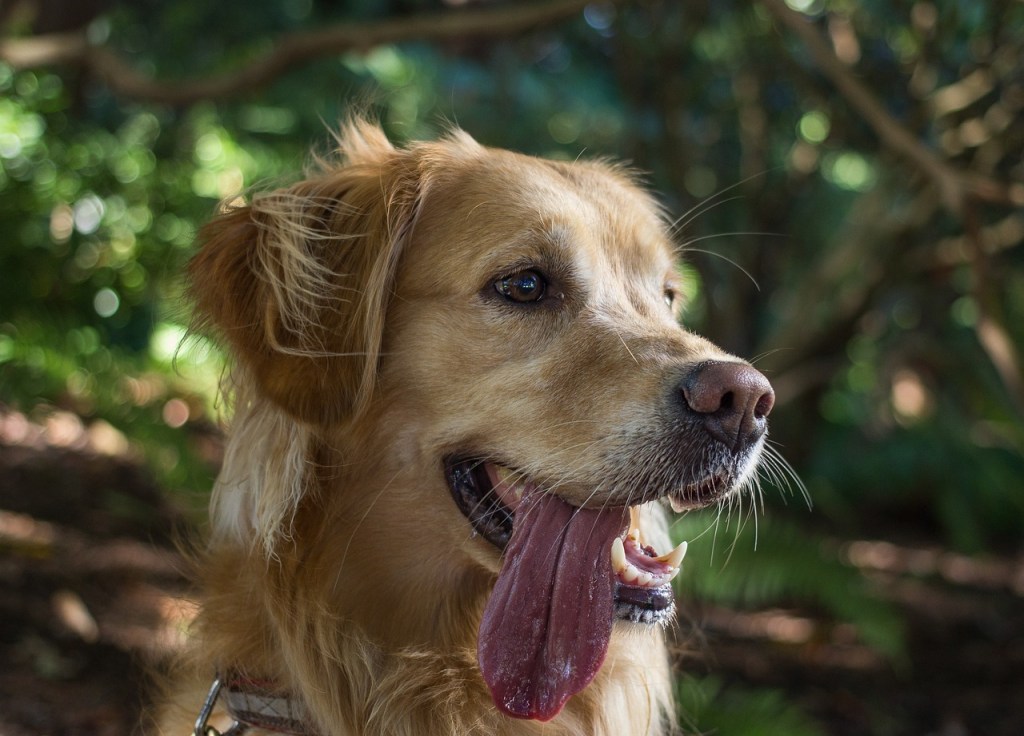
The sun is blazing, people are working on their tans, there’s no space left in the city park, and the beach is packed — with all the colorful hustle and bustle in the heat, you’re also drawn outside, and of course your dog should come along! But is that really a good idea? Because dogs need special protection in summer to make sure the sun and heat don’t become dangerous or even fatal for them.
- Protecting Dogs in the Summer
- Summer Can Be Dangerous for Dogs
- It Depends on the Dog — Partly
- How to Protect Dogs in Summer
- Pay Attention to Your Dog in Summer
Protecting Dogs in the Summer
Every year I’m surprised again and again by how many people around me own dogs. As soon as temperatures soar — or rather, explode — it feels like there are five times more dogs than usual.
Suddenly, they’re panting alongside their jogging or biking owners, sitting in cars and café patios panting away, taken along absolutely everywhere. After all, they’re supposed to „enjoy the good weather.“
And every year I ask myself how so many dog owners can be so incredibly blind and foolish. Because in sweltering heat, scorching pavement, and stifling air, dogs often experience one thing above all: stress.
From burned paw pads due to lack of protection, to heat stroke, circulatory collapse, and sunburn — countless owners repeatedly risk the lives of their supposedly beloved pets.
Yet it’s absolutely possible to enjoy summer with your dog and protect them from health issues.
Summer Can Be Dangerous for Dogs
Asphalt and concrete radiate heat, the sun blazes down, and the air shimmers with heat — but the biggest danger for dogs in summer isn’t the temperature. It’s humans. More specifically: unthinking dog owners.
Because if dogs had the choice, they wouldn’t head out during the hottest part of the day. They’d avoid hot surfaces and unnecessary exertion, instead seeking shade, staying near water, and being active during cooler hours.
Instead, they’re locked in cars, forced to run beside bikes in 30 °C shade, or dragged into exhausting activities during the hottest times of day — all while wearing fur coats and being unable to sweat to regulate body temperature.
“But my dog goes along with everything!” is a common excuse for why the poor pup is currently panting hard under the blazing sun.
Sure. First, dogs usually don’t have much choice. Second, they’re social beings who love spending time with their humans. And finally, many dogs would keep going until they drop from exhaustion due to their desire to please.
Let’s not forget:
“My dog enjoys it” is never an acceptable reason for allowing dangerous behavior.
- “My dog loves chasing cars in traffic!”
- “My dog loves eating cat poop and potential poison bait!”
- “My dog loves swallowing shards and rocks!”
Most people wouldn’t dream of allowing those. Overexertion in hot weather should be no exception. Some dogs don’t know when they’re in danger — others are too scared to disobey and push themselves past healthy limits.
That’s why you are responsible for protecting your dog and giving them a break in summer. But that doesn’t mean you have to give up fun and exercise with your furry friend.
It Depends on the Dog — Partly
Some readers may roll their eyes at my frustration with summer dog owners. But the fact remains: every summer, avoidable stress and even deaths occur because people overstrain their dogs and expose them to the heat.
Particularly vulnerable are very young, old, or already sick dogs. Breed differences also matter:
- Short vs. long noses: Breeds like Pugs, Shih Tzus, Chihuahuas, Cavalier King Charles Spaniels, French Bulldogs, Boston Terriers, and Boxers all have short noses. These brachycephalic breeds struggle to cool down by panting and often suffer from breathing difficulties. In contrast, breeds like Collies or Salukis cope better with heat.
- Short vs. long coats: While a Jack Russell thrives at 25 °C, a Bernese Mountain Dog would rather live in a cool basement until autumn. Though long, thick coats can insulate, once the fur and skin heat up, they trap heat.
- Lean vs. bulky builds: An Italian Greyhound might sprint all day with no sign of fatigue. A Mastiff, meanwhile, would rather take an ice bath after a short walk. Heavier breeds suffer more in the heat.
- Breed origin: Breeds were developed for specific climates. A Newfoundland thrives in cold, while a Galgo or Rhodesian Ridgeback is built for heat. Southern breeds handle summer better — they’re genetically adapted to it.
Still, extremes are too much for any dog. Even a Ridgeback can suffer paw burns or heat stroke if stuck in a car or exercising in the blazing sun too long.
How to Protect Dogs in Summer
Short-nosed breeds, as well as young, old, sick, or disabled dogs, need extra care in hot weather. But all dogs benefit from these measures — and so do their humans.
Use Paw Protection
From tiny toy breeds to Great Danes — hot pavement is hot pavement. Paw boots help prevent burns, especially if you’re walking in the city with no shade or grass nearby.
Grooming and Coat Management
Regular brushing, bathing to remove excess skin oil, blow-drying, trimming — the less fur mass, the better. Ask a professional groomer for help if needed — some even cut “ventilation channels” into the coat.
Choose Walking Routes Wisely
Pay attention not just to surfaces but to shade, air circulation, and walk length. Natural paths like dirt or grass are ideal. If you live in the city, seek shaded routes and cut the walk short.
Wooded parks or tree-covered paths are best — but make sure your dog doesn’t overheat getting there. That leads us to the next tip:
Adjust Walk Times
Despite the summer heat, I still see most dog owners outside during the worst hours of the day. Mornings and evenings are much healthier times for outdoor activity.
People in hot countries take a siesta for a reason — even though they’re better adapted to the heat than most of us!
Switch to Lighter Meals
Heat-related vomiting and diarrhea are common in dogs. To prevent this, adjust their diet: just like humans prefer fresh, light meals in summer, dogs also do better with smaller, more frequent, water-rich meals that are easier to digest.
Offer Cooling Options
If you’re sweating just from sitting still, your dog is suffering more. Cooling helps both of you. What works depends on your situation, but here are some general ideas:
- Cool your home: Ventilate properly, darken windows during the day, use fans or AC. A cool space is essential for recovery and sleep.
- Create cool spots: Cold tiles, cooling mats, or a damp towel on the floor help regulate your dog’s body temperature.
- Cooling vests or bandanas: Many are available and effective both indoors and out.
- Doggie ice cream: Homemade dog-safe ice cream is quick, cheap, and provides instant relief.
- Paw baths: A cold foot bath works wonders for both humans and dogs on hot days.
- Dog pools: Small splash pools fit even on balconies and let dogs cool off themselves. Bonus: you can reuse the water for plants!
- Shade, shade, shade: Whether in the garden, park, or beach — true shade is essential. Don’t rely on a late umbrella; if the ground is already hot, it stays hot even in shade.
- Wet the fur: A light shower or spritz with lukewarm water helps cool your dog through evaporative cooling.
Take Breaks
Unless you have a breed from a hot climate, peak summer heat is not the time for intense workouts. Keep walks short and slow, and take breaks to avoid straining your dog’s heart and lungs.
Beware of Short Fur!
Can dogs get sunburned? Yes! If the fur is thin or light-colored, it doesn’t protect the skin well. For these dogs, shade, shorter walks, sunscreen, or cooling vests are a must.
Water, Water, and more Water
Cool, fresh water is essential. Dogs lose a lot of moisture through panting — without enough to drink, they dehydrate quickly.
Always carry a water bottle for your dog. Avoid lakes, puddles, and streams unless you’re ready to pay the vet bill for contaminated water.
Pay Attention to Your Dog in Summer
“But the other dogs are playing in the sun!”
“But that dog’s running next to a bike!”
“But everyone else is sunbathing with their dog!”
All those other dogs are not your dog.
If your dog seems too hot, is stressed, or the ground is too hot — do what’s right for your dog.
Following the crowd and giving in to peer pressure should end in puberty — don’t let your dog suffer because of it. Protect your dog this summer by doing better.
More tips and answers to hot summer dog questions? As always: Check out PunkRockPudel.
 PunkRockPudel
Hinterlasse einen Kommentar