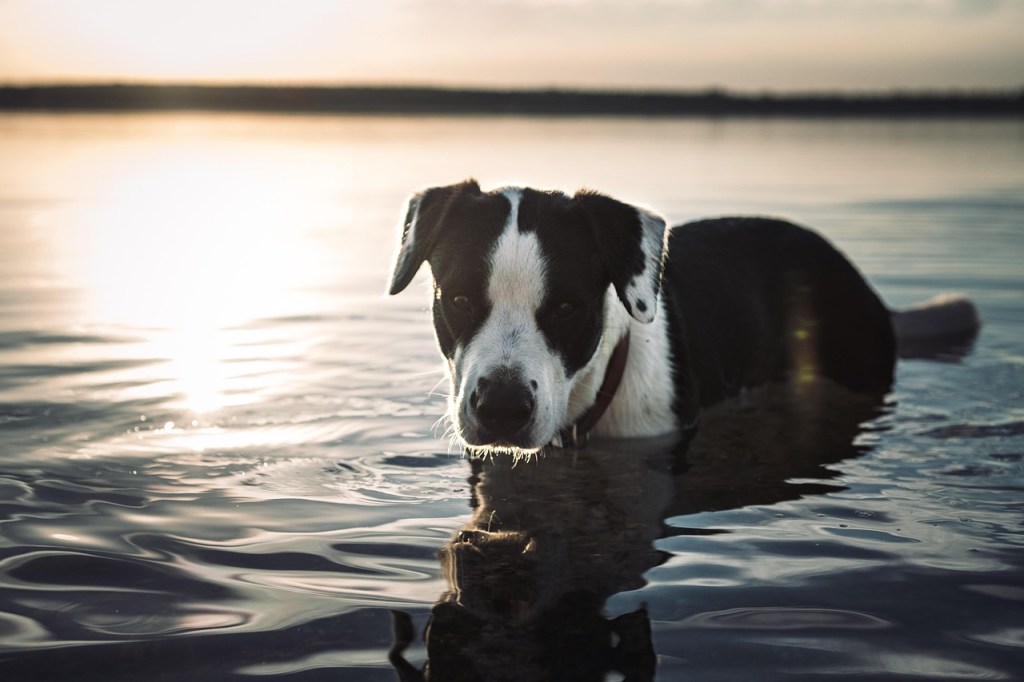
Are you thinking about getting a dog or are you already a dog owner who wants to make your life with your dog more sustainable? In both cases, you are in the right place! Here, you’ll find 27 practical tips for more resource-efficient dog ownership that make a big impact with minimal effort.
- Eco-conscious Dog Ownership – Easier Than You Think
- Collars, Leashes, Harnesses
- Bowls
- Dog Bed, Cushions, and Blankets
- Puppy Pads
- Dog Poop
- Poop Bags
- Transport Box
- Dog Bags – Carriers
- Muzzles? Better as Custom-Made Model
- Toys and Sports Equipment
- Brushes, Combs, Nail Clippers
- Buy and Sell Used Items
- Make Walks More Sustainable
- Making Feeding More Sustainable
- Reduce Meat Content
- Buy in Bulk and use Larger Packages
- Group Orders
- Buy Local
- Grow Your Own
- Versatile Feeding
- Raw Feeding (BARF)
- Make Your Own Dog Treats
- ABAM Method
- Health Prevention
- Avoiding Risks
- Sustainable Cleaning
- Making Life with a Dog More Sustainable – Easier Than You Think
Eco-conscious Dog Ownership – Easier Than You Think
Do you fear that adopting a more sustainable and resource-efficient way of owning a dog will require major changes and sacrifices? Think again. With small adjustments, you can significantly reduce your ecological footprint as a dog owner.
In fact, there’s no need for drastic changes or major overhauls. By taking small steps, you’ll be more likely to maintain these new habits in the long term.
Let’s start by making your dog’s equipment more sustainable.
Collars, Leashes, Harnesses
Your dog needs a collar, harness, and/or leash daily, and that’s for the entirety of their life. So, make sure to buy:
- Models made from natural materials like leather, cork, cotton, or natural rope
- High-quality options with long lifespans
- Items without plastic
- Adjustable varieties for customization
For puppies and young dogs, you should also consider these factors and either keep the items for future use or donate, sell, or give them away once they’re outgrown.
Bowls
Sustainable dog ownership means avoiding plastic wherever possible. For water and food, choose bowls made of stainless steel, glass, or ceramic. They are easier to clean, last longer, and are more recyclable when damaged.
Dog Bed, Cushions, and Blankets
Plush materials with synthetic fibers and filler are far from sustainable. Natural materials in the cover and filling, or durable fillers, are better alternatives.
If a thickly padded bed or orthopedic variant is not necessary, and if your dog is small, consider checking out baby gear for new purchases. Cotton nest pads are not only more sustainable, easy to care for, and usually machine washable, but they’re also cheaper, making them ideal for saving money on dog care.
Puppy Pads
If you’re still in the house training phase or your old dog is slightly incontinent, puppy pads are a helpful solution. Opt for the sustainable, reusable version and steer clear of disposable pads. This will also save you money.
The same principle applies to pads for protective pants during heat, wraps for male dogs, or dog diapers.
Dog Poop
Leaving dog poop behind is not an option. While composted dog waste can serve as fertilizer, it is only safe and usable after the decomposition process. Before that, it’s a potential hazard and decomposes slowly.
Poop Bags
When out and about, you can be more sustainable by using biodegradable poop bags. In your garden or near compost bins, teach your dog to do their business on command or in a designated spot. If you’re right next to the bin, paper or cellulose bags are sufficient for disposal.
Transport Box
For car safety, transporting puppies, seniors, or small dogs, a sturdy transport box and dog bags or backpacks are essential.
Avoid anything made of plastic and synthetic fibers, as these are not only unsustainable but also easily damaged by dog teeth. Opt for a metal box.
Dog Bags – Carriers
Follow the same approach and choose dog bags made from natural fibers with metal zippers and buckles. Alternatively, you can use a baby carrier for your dog, which works similarly to a baby sling.
Muzzles? Better as Custom-Made Model
Even if your dog is the sweetest, most patient, and least likely to bite, a muzzle can be necessary in various situations, such as at the vet, when your dog is in pain or scared, on public transport, or during travel.
Leather and metal muzzles, especially custom-made ones, are more sustainable, safer, and more comfortable. They also have a higher resale value and can be better adjusted is necessary.
Toys and Sports Equipment
Follow the same principles as before: natural materials instead of synthetic fibers and plastic. Whether it’s stuffed animals, tug toys, or agility slalom poles—plastic is not only bad for the environment but also breaks quickly, creating a significant injury risk.
With a little creativity, you can also save money. For example, you can easily knot tug toys from old clothing. Plush toys made from natural materials for children are often cheaper than dog toys. Metal plant stakes can replace slalom poles, and you can easily build hurdles from them or use them during Cavaletti-exercises.
Brushes, Combs, Nail Clippers
Proper coat and nail care is essential for your dog’s health. However, many cheap grooming tools like combs, brushes, and nail clippers contain plastic components. These scratch easily and become brittle over time.
For a more sustainable dog ownership experience, invest in high-quality equipment. Grooming tools made from metal and wood are much more durable and usually feel better in your hand.
Buy and Sell Used Items
Long-term dog owners know the problem: that dog bed was only great in the first few days, but now it’s just sitting unused. The transport box no longer fits since you changed cars, and your young dog has outgrown their harness.
Whether it’s a dog stroller or a ball launcher, check out classifieds or dog-related apps before making purchases. Sell, donate, or give away items you no longer use or that no longer fit your dog.
Make Walks More Sustainable
Not only do many dog owners in the city drive their car to the walking route, but they also travel miles before even starting the walk. This is far from sustainable and often unnecessary.
Some people think that their dog needs constant variety. Of course, it’s nice to occasionally visit the forest, the lake, or another recreational area. But driving half an hour every day just to walk your dog takes away from the exercise time.
If you must go further due to your location, here are some tips to be more sustainable:
- Use public transport when possible.
- Make use of the travel time to walk and train your dog.
- Get a dog trailer or dog stroller.
- For small dogs, use a bike basket.
- Carpool with other dog owners.
Making Feeding More Sustainable
One of the biggest impacts on the ecological footprint is feeding meat, but also transport and packaging waste play a role in whether feeding is more or less sustainable. Since several factors come into play, there are multiple ways to make dog ownership more resource-efficient.
Reduce Meat Content
Many dog food manufacturers boast about the high meat content in their products. However, this is not necessary for a dog’s healthy diet and can even be harmful in some cases. Many dogs actually do better with less meat.
Vegetarian and even vegan diets are possible. HOWEVER, when choosing this path, make sure to consult a professional pet food advisor to ensure your dog doesn’t become under- or malnourished.
Buy in Bulk and use Larger Packages
Especially with wet food, owning a dog generates a lot of waste. It’s even worse if you have a small dog and use small cans, bowls, or pouches. The ratio of packaging waste to small portions is the least favorable.
Better: buy larger packages, portion them out, and freeze them if necessary. This also applies to dry food and treats.
Group Orders
Do several people in your family or circle of friends own dogs? Order dog food and supplies together. This reduces transportation and waste and often even saves money through bulk discounts.
Buy Local
Buy local meat, fish, and produce directly from farmers, butchers, hunters, or fishermen. This minimizes packaging, often ensures higher quality, and can even be cheaper.
When buying, mention that it’s for your dog. Producers or sellers often offer „slaughter waste“ at a discount or even give it away for free, especially if it would otherwise go to waste.
Grow Your Own
While you can’t grow venison or rabbit legs in your garden, you can grow fruits and vegetables even in a small space or year-round indoors.
Thanks to balcony or indoor gardening, you can save money and resources by growing your own produce for both your household and your dog.
What you need:
- Seeds or young plants
- Soil
- Plant containers
- Water
- Fertilizer or compost
- Sufficient light
Good options for your dog and year-round indoor growing include:
- Berries
- Broccoli
- Fennel
- Cucumbers
- Herbs
- Lettuce
- Columnar fruit trees
- Spinach
- Zucchini
Start small and invest in a plant lamp, ideally powered by solar modules. Grow plants vertically to save space and increase yield.
Versatile Feeding
A varied diet offers many benefits: your dog will get a better supply of nutrients, has a healthier gut microbiome, and you’ll avoid feeding fatigue. Furthermore, your dog will handle more if you avoid feeding them the same thing all the time.
What does this have to do with sustainable dog ownership?
- Healthy dogs are more sustainable.
- You have more freedom to make sustainable food choices.
- You can buy more locally and with less packaging.
Raw Feeding (BARF)
BARF (Biologically Appropriate Raw Food) doesn’t require cooking. Using fresh ingredients, you can avoid or reduce packaging waste.
Cooking for Your Dog
If you cook for yourself, cook for your dog too. Or practice meal prep for your dog by cooking larger portions and freezing or canning them. This way, you’ll always have portions ready.
Make Your Own Dog Treats
Making your own dog treats, such as jerky, smoothies, ice cream, or cookies, is easy, quick, affordable, and sustainable if done right. Alternatively, you can buy chews and treats in bulk and freeze them or group order larger quantities.
ABAM Method
The ABAM method for dogs is considered revolutionary, though it’s as simple as it is old. ABAM is German and stands for Allesfresser Bekommen Alles in Maßen, which in English means:
- Omnivores
- Get
- Everything
- In Moderation
Simply put, with the ABAM method, dogs receive high-quality dog food as a base and anything else from the table that is safe for them. And that’s surprisingly a lot.
It can include potatoes and quark, but also occasional pizza, salad, or fries, pasta with sauce, or stew. As long as the food doesn’t contain harmful substances for dogs and isn’t heavily spiced, you’re doing your dog a favor taste-wise.
And why is the ABAM method more sustainable?
Because you feed your dog less commercial dog food and usually less meat. You also don’t have to cook separately for your dog, saving energy.
Health Prevention
Health issues require trips to the vet, medical care, and often medication. This is especially true if the issues have been ongoing for a while.
It’s far more sustainable to practice health prevention and reduce the need for vet visits and medications.
Necessary steps include:
- A varied diet
- Sufficient exercise
- Sufficient rest
- Coat care
- Vaccinations
- Annual check-ups
- Paw protection
- Flea and tick protection
- Dental care
See your vet early for any issues. The earlier treatment begins, the higher the success rate and the less effort required.
Avoiding Risks
Every summer, dogs are left in cars that are too hot or are run alongside bikes in high temperatures. The consequences often include heatstroke, collapse, dehydration, and burned paws.
In winter, many dogs suffer from snow gastritis or paw injuries due to lack of protection. Dogs may get bladder infections or colds from sitting on cold floors or not wearing warm coats.
Throwing sticks, letting dogs search for treats in grass, or walking off-leash are also known risks.
What does this have to do with sustainable dog ownership?
If a dog dies from heatstroke in a car or gets hit by a car, there is indeed no link to sustainability. But, in all other cases, risky and negligent behavior leads to expensive, often resource-intensive treatments.
Accidents and illnesses can’t always be prevented, but you can minimize risks by avoiding unnecessary hazards.
Sustainable Cleaning
Dogs increase cleaning needs. Not only during house training but also due to hair, paw prints, blood during heat cycles, occasional vomiting, or diarrhea.
Instead of constantly vacuuming and using aggressive, non-biodegradable cleaning agents, follow these tips for more sustainable dog ownership:
- Use biological enzyme cleaners. They are more environmentally friendly and clean more thoroughly.
- Sweep with a silicone broom before vacuuming to save on electricity.
- Use a damp latex glove to remove dog hair from upholstery and clothes.
- Brush and bathe your dog regularly to reduce hair and dirt accumulation.
- Opt for environmentally friendly cleaning and laundry products.
- Ensure dog beds and resting areas have washable covers and padding.
- Regularly trim paw fur and use paw boots to reduce dirt brought into the house.
Making Life with a Dog More Sustainable – Easier Than You Think
Less driving for walks, more attention to packaging when feeding, and less meat if possible – this is how you can make your dog ownership more sustainable. Add to that cautious handling, appropriate care, and choosing sustainable, durable dog equipment, and you’re conserving resources, saving money, and keeping your dog healthier.
 PunkRockPudel
Hinterlasse einen Kommentar