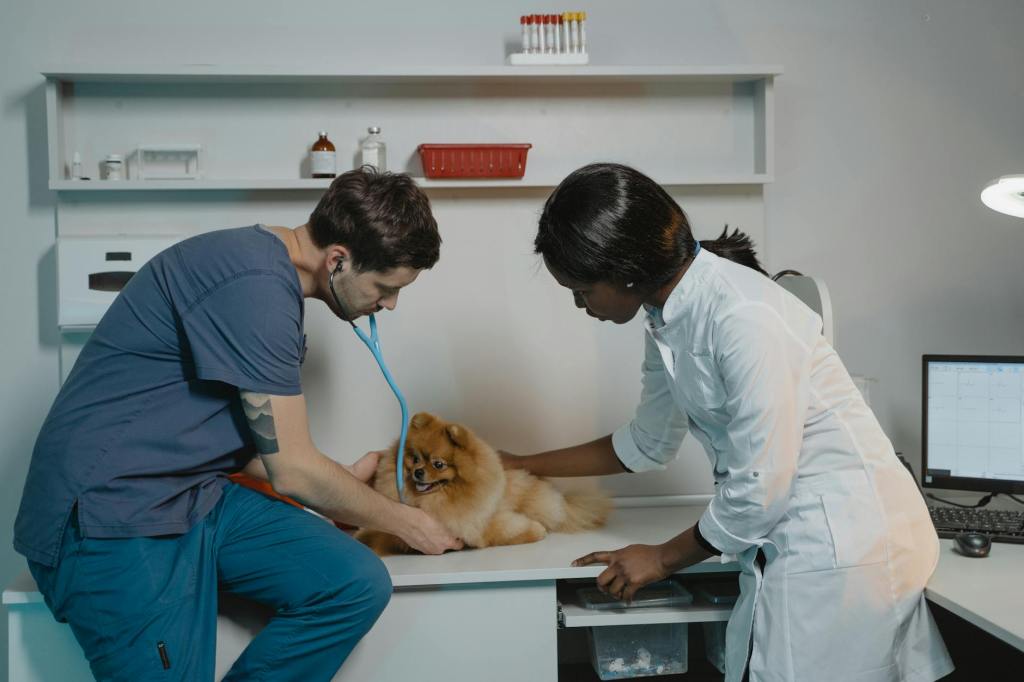
Finding a good veterinarian is not always easy. With high bills, unnecessary tests, and overlooked issues, there’s plenty of room for additional problems. Moreover, it is often difficult to distinguish good veterinarians from bad ones. Here’s what to look for when searching and why knowing more than one vet can be helpful.
- How to Find a Good Veterinarian – Here’s How
- Tip #1: Handling of Animals
- Tip #2: Admitting Knowledge Gaps
- Tip #3: Trust in the Pet Owner
- Tip #4: Using the Experiences of Others
- Tip #5: Explanations Are (Self) Evident
- Tip #6: The Basics Should Be Convincing
- Tip #7: Are Examinations Necessary and Justified?
- Tip #8: Don’t Be Afraid to Ask Questions
- Tip #9: Don’t Be Afraid to Say No and Seek Other Opinions
- Comparing Veterinarians Helps You and Your Dog
How to Find a Good Veterinarian – Here’s How
A long study period, internships, exams, and a doctoral thesis – becoming a veterinarian is no easy feat. Being one is even harder.
Unlike in human medicine, veterinarians don’t just deal with one species but should be knowledgeable about many different animals, from parrots to Chihuahuas. It’s no wonder that you want to trust each of them. But the differences in competence and attitude are significant.
When choosing, there are several points you should pay attention to in order to ensure your pet and you are in good hands.
Tip #1: Handling of Animals
How the veterinarian and their staff handle your animal is key. Are they hasty, impatient, or rough? If so, keep looking.
This behavior suggests a lack of compassion for animals. Additionally, a rough approach will only make each vet visit more stressful for your pet, potentially leading to fear or panic.
Stressed veterinarians and staff tend to overlook problems as well. Therefore, a calm and friendly demeanor is a must.
Tip #2: Admitting Knowledge Gaps
No one can know everything. In the case of veterinarians, it’s even harder because they treat multiple species. Competent veterinarians continue their education and learn as they go.
They also acknowledge their gaps in knowledge. If a vet admits they don’t know something and seeks information, consults colleagues, or refers you to specialists, this is a sign of a trustworthy professional.
In such cases, the animal’s well-being is the priority, not how much they can charge you.
Tip #3: Trust in the Pet Owner
Veterinarians have the expertise, but no one knows your pet better than you. Good veterinarians know this and take you seriously. They involve you in the treatment process, ask comprehensive questions, and respect both you and your pet.
In good practices, it’s also normal for the pet owner to be present during treatments or before surgeries. As a familiar person, you can help calm your pet.
If you’re always sent away or not allowed to be present, especially if your dog gets anxious in unfamiliar places with new people, that’s a red flag.
Unfortunately, there’s still a belief that owners only cause stress, but if you explain that your presence is important, it should be taken seriously and respected.
Tip #4: Using the Experiences of Others
Relying on the experiences of others when searching for a veterinarian can save you time. Pay attention to whether the practice is well-equipped and, most importantly, whether dogs and owners feel well-cared for there.
Be cautious with online reviews. Negative experiences and criticisms are often removed, while positive reviews may be purchased. Therefore, visit the practice yourself to evaluate the examination, handling, and treatments, rather than relying solely on others‘ opinions.
Tip #5: Explanations Are (Self) Evident
Good veterinarians don’t treat your pet without explaining the reasons, purpose, and process. This is especially important for non-routine treatments.
The veterinarian should inform you about the treatments, what medications are used, any additional steps you need to take, and what to watch out for. This should not require you to ask, but the vet should proactively provide this information and take your questions seriously. If you ask, you should get clear and helpful answers.
Tip #6: The Basics Should Be Convincing
Veterinary practices don’t need to be lavishly decorated, but they should be clean and orderly. Basic cleanliness and organization are non-negotiable.
Ensure that treatment areas are disinfected before and after your visit.
If you see fur, blood, or feces on treatment tables, it’s time to leave the practice immediately.
Another basic is ensuring that there’s peace, security, and personal space during examinations and treatments.
When your dog is being examined, the veterinarian and staff should be fully focused on them. If other animals are in the treatment room, conversations about other patients are happening, or if you can’t enter or leave the room safely due to unrestrained dogs blocking the way, it’s not a good sign. Competent practices ensure these situations are avoided.
Tip #7: Are Examinations Necessary and Justified?
Good veterinarians systematically rule out causes and conditions. This means that tests are done in a logical order. Only once one cause is ruled out should the next step be considered.
If everything is being tested all at once, it may be an attempt to inflate the bill. This approach is only appropriate in rare cases, such as when there are acute and serious issues that need immediate attention.
Tip #8: Don’t Be Afraid to Ask Questions
Why are the tests necessary? Why is this medication being used? What alternatives are there?
Good veterinarians are confident in their decisions and explain them clearly and understandably. They can provide reasons and tips.
Others may feel defensive and refuse to explain, which is a sign for you to be careful.
Tip #9: Don’t Be Afraid to Say No and Seek Other Opinions
If anything feels off during the treatment, or if you feel your concerns are not being taken seriously, don’t hesitate to say no and get another opinion.
If you’re reluctant to say no because it’s the nearest practice, ask for some time to think it over.
Second or even third opinions are essential in difficult cases and are often recommended by competent veterinarians.
Comparing Veterinarians Helps You and Your Dog
If you feel taken seriously and your dog is treated competently, it’s a huge relief for both you and your pet.
However, it often takes testing several veterinarians and comparing them to find the right practice. It’s helpful to visit a few for routine check-ups.
This has several benefits.
First, it helps your dog learn that vet visits don’t always mean unpleasant or painful experiences.
Second, it allows you to calmly determine where you feel most comfortable.
Additionally, you can experience different approaches and pay only minimal costs.
Moreover, one veterinarian alone is rarely enough for all situations.
 PunkRockPudel
Hinterlasse einen Kommentar